
Fate vs Choice Discussion Concerning the Lucky Jet game in the UK


The age-old argument about predestination and choice has discovered a different setting in the vibrant, lively sphere of internet casinos, particularly surrounding the Lucky Jet game in UK establishments. This crash game shows a cartoon jet climbing as a multiplier value grows, till it arbitrarily exits the screen. It hooks players with the possibility for quick wins, but additionally with a more significant, implicit query: is the outcome predetermined by a secret program, or can a player’s own decisions actually affect their chances? This issue touches the core of how players participate in betting games, mixing age-old thought with the immediate rush of a virtual bet. For many users in the United Kingdom, a round on the Lucky Jet game is not simply a pastime. It turns into a private challenge, a method to examine the divide between pure chance and intentional selection. https://aviatorscasinos.com/lucky-jet/
The Nature of the Game: A Primer on Lucky Jet Mechanics
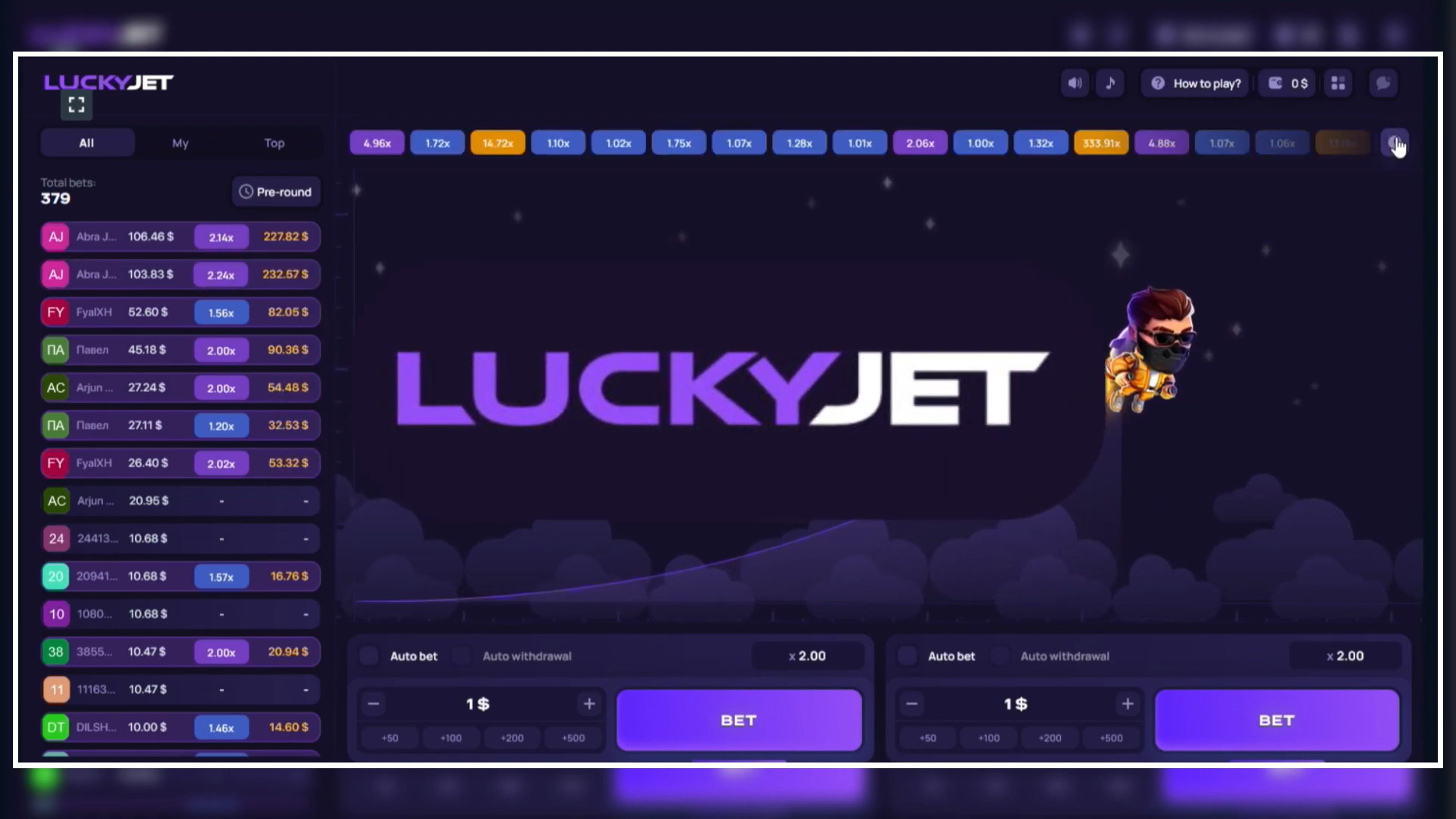
You must understand how Lucky Jet works before the fate versus choice debate makes sense. A player places a bet. The round begins, and a bright little jet starts to climb. A multiplier ticks up from 1x in real time. The goal is to hit ‘Cash Out’ before the jet unexpectedly vanishes, grabbing whatever multiplier is showing at that exact moment. If you’re too slow, you give up your stake. This creates a stressful, rapid environment where every decision takes place in a flash. The game’s algorithm chooses the precise instant the jet will vanish, a number concealed from everyone. This basic setup—a clear risk that climbs until a secret, random endpoint—is what sparks the whole philosophical argument. It invites players to guess the moment fate will intervene.
The game’s visuals and sounds are designed to sell a story of control. The climbing numbers and the ever-present cash-out button create a powerful feeling of influence. It looks like your timing, your instinct, is what matters. But the underlying code, verified as random by regulators, does its own thing no matter what any player does. The gap between that feeling of participation and the harsh truth of the programming is where the debate catches fire. UK players, accustomed to games with some skill involved, often imagine patterns in the randomness. They spot streaks or develop a ‘gut feel’ where none truly exist. In doing so, they struggle with the idea of free will inside a system that is, at its core, fated.
The Argument for Fate: Preordained Outcomes and Random Number Generators
Proponents of fate directly point to the technology under the hood: the Random Number Generator, or RNG. This complex algorithm determines the result of each round—how long the jet flies, where it crashes—at the exact instant the round begins. That’s well before anyone clicks to cash out. From this angle, every result is preordained. A player’s decision to withdraw at 2.5x or 5x is simply a guess. That guess either corresponds to a destiny already set in the code, or it doesn’t. The game becomes a reveal of what was destined to happen, not a test of skill. The RNG functions as a impartial, unknowable oracle.
Licensing and regulation for UK online casinos support this view. Reliable platforms have their RNGs audited often by independent testers like eCOGRA or iTech Labs. These audits confirm true randomness and fairness. This process demonstrates that no external factor, like how a player behaves, can change the pre-generated result. So, the sensation of making a timely choice is, in technical terms, a mirage. The jet was destined to crash at a specific number. A successful cash-out merely indicates the player clicked at the right moment at that pre-determined moment in the game’s script. It’s a mark of chance, not control.
Our own minds frequently reinforce a fatalistic take. The human brain is famously good at finding order in chaos, a habit called apophenia. When a player experiences a hot streak or a bad run of losses, they might blame a bigger plan or ‘the game’s mood’. This storytelling feels compelling, but it doesn’t alter the predetermined mechanics underneath. For some, embracing fate’s role can be a relief. It removes the weight of responsibility for losses and frames wins as random presents from the random number gods. This outlook can encourage more disengaged and possibly more responsible play.
The argument for free will: Tactics, Self-control, and Knowledgeable Decision
On the other side, there’s a solid argument for free will in how people play Lucky Jet. The crash point itself is random, yes. But a player’s path to that point is made from personal choices. Asserting agency starts with managing your bankroll: picking a stake size, setting win targets and loss limits before you even place a bet. This basic discipline is a pure act of free will. It shapes your long-term experience no matter what any single fated round delivers. A player who opts never to chase losses and to quit after a set win is actively building their own story.
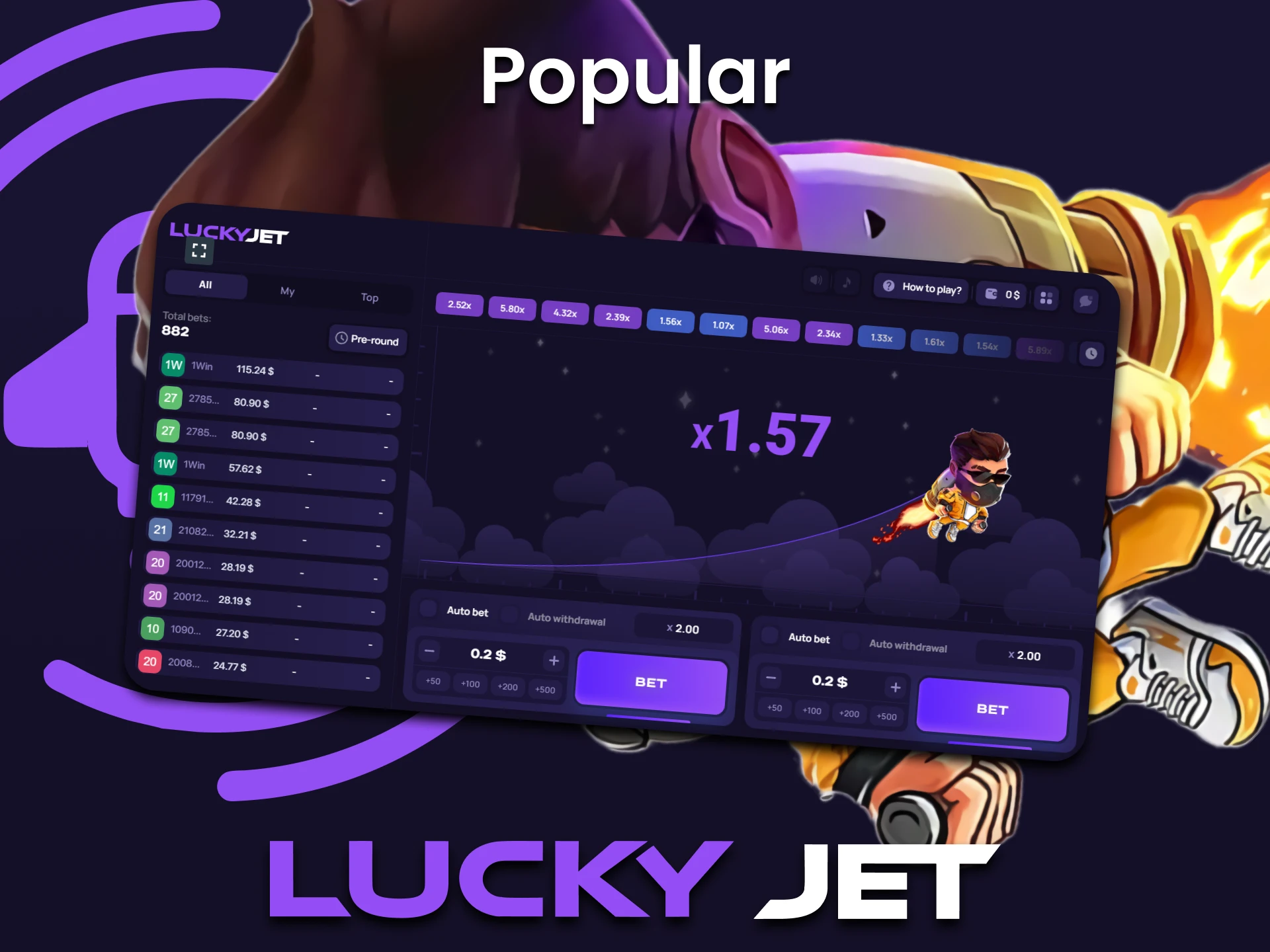
Strategic approaches to cashing out also reveal tactical free will. Some players use a fixed multiplier plan, like always cashing out at 2x, securing smaller but more frequent wins. Others might attempt a progressive or hedging system, dividing bets across different multiplier ranges. These are conscious plans, derived from thought and choice, that respond to the game’s randomness. The free will isn’t in changing the jet’s path, but in defining your own path alongside it. The player who waits, who monitors a few rounds without betting, or who passes on a game entirely is making active choices that influence their overall position.
The social side of the game plays into this too. In live rounds, players can view the bets and cash-out points of others. This can guide their own decisions, though it offers no guarantees. Deciding to follow a player on a roll, or to deliberately go against the crowd, are acts of free will. The environment of a UK online casino, with its tools for establishing limits and access to game history, provides players the means to make more informed choices. This frames the game not as a passive surrender to fate, but as an active exercise in navigating risk and making decisions when you can’t be sure of the outcome.
Mental Underpinnings: Why the Controversy Connects with Players
The fate versus free will debate around Lucky Jet derives its intensity from deep psychological origins. The ‘illusion of control’ is a recognized cognitive bias. It leads people to overestimate their capability to influence events that are mostly determined by chance. Lucky Jet’s interactive, fast-paced design, with its demanding cash-out button, is perfect for fostering this illusion. Every click appears like a meaningful action. It strengthens the player’s sense of agency and personal skill, making the game more compelling than a simple, passive lottery draw.
This grip intensifies with the stories players tell themselves. After a session, people naturally craft narratives: “I had a hunch it would crash, so I got out just in time,” or “I knew I should have taken the money earlier.” These stories attempt to project a clear, cause-and-effect plot onto random events. They set free will and intuition above accepting pure randomness. Storytelling is a fundamental human way to make sense of things. It turns a sequence of algorithmic outputs into a personal saga of victory, regret, or close calls.
For the UK audience, culture brings another layer. Societies that promote self-determination and ‘making your own luck’ might steer players towards the free will side without them noticing. The very language of gaming—’strategy’, ‘play’, ‘decision’—implies at a level of control. The friction between this cultural leaning and the mathematical reality of the RNG creates a compelling kind of mental discomfort. Players constantly grapple with this space. Their beliefs might fluctuate with every win or loss, transforming the philosophical debate into a tangible, emotional experience instead of just a classroom topic.
Weighing the Viewpoints: A Pragmatic View for UK Players
A sensible blend of the fate and free will arguments gives the most balanced and constructive way to handle Lucky Jet. Acknowledging fate means recognising the unbreakable randomness of each round’s outcome. This insight is essential for responsible play. It curbs the harmful idea that you can ‘crack the code’ or that a system promises wins, beliefs that can lead to problem gambling. The RNG is the ultimate authority. Respecting that is a form of intellectual honesty.
At the same time, accepting free will means assuming full responsibility of everything surrounding the game. This covers all financial decisions, time management, managing your emotions in check, and choosing when and where to play. A player applies free will by selecting a reputable, UK-licensed casino that hosts Lucky Jet, by using deposit limits and reality checks, and by choosing to play for entertainment, not as a job. This sphere of control is huge and impactful. It directly determines the real-world consequences of playing.
The Lucky Jet game can act as a metaphor for life’s bigger uncertainties. Some core events might feel fated. But people have immense power in how they prepare for those events, how they respond, and how they navigate around them. The smart UK player enjoys the thrilling climb of the jet, makes their choice based on a plan they established beforehand, and accepts the result calmly. They know they handled everything they could. This even view turns the game from a philosophical war zone into a managed form of fun, where both luck and choice have their distinct and acknowledged places.
Frequently Asked Questions
Is the outcome of every Lucky Jet round really random?
Absolutely. In a properly licensed casino for UK players, a verified Random Number Generator (RNG) determines every round’s crash point when the round starts. This renders the outcome unforeseeable and impartial. It holds no connection to when a player cashes out. Independent auditors check these RNGs routinely to confirm they work correctly.
Can any strategy or system guarantee wins in Lucky Jet?
No. No strategy can guarantee a win or beat the built-in randomness of the game. Smart bankroll management and fixed cash-out plans can help you handle risk and play longer, but they cannot modify the pre-set crash point. Any system that asserts guaranteed success is not telling the truth, because the core of the game is chance.
Does watching previous rounds aid predict the next crash?
No. Past rounds do not impact future ones. The Lucky Jet RNG does not operate in cycles or patterns. Every round is a separate event. Players often search for trends, but this is a mental trap termed the gambler’s fallacy. The crash point is freshly and randomly generated for each single game.
What aspects of the game can a player actually control?
Gamblers have full control over their stake size, when they click to cash out, their bankroll, and their response. They decide when to begin and stop playing, what fund tactics to apply, and whether to utilize casino tools like deposit limits. These are powerful, individual choices.
Can Lucky Jet regarded a game of skill or pure chance?
Lucky Jet is officially and technically a game of chance. The deciding factor—the crash—is arbitrary. But it includes choices about timing and risk, which can create a impression of skill. The ultimate result, however, remains entirely based on chance, like a digital raffle where you choose when to end.
By what means can UK players make sure they are playing Lucky Jet safely?
UK players should exclusively use casinos licensed by the UK Gambling Commission. They should define rigorous deposit and loss limits before playing, treat the game as paid entertainment rather than a way to earn money, and not ever try to recover losses. Using reality-check alerts and self-ban tools on reliable sites is also crucial. Safe play is about managing your behaviour, not the game’s outcome.
Are there any indicators the jet is about to crash?
There are no real clues or trends that predict the crash. The jet’s animation is distinct from the RNG outcome. Any visual clues or ‘feelings’ you perceive are tricks of the mind. The crash happens at a predetermined, random moment. The animation is simply a fun graphic that mirrors the result already determined by the RNG.
Related Posts
Frissítések, új promóciók és élő játékok a magyar online kaszinó piacon
A magyar online kaszinó szcéna újságírói szemei előtt a Moneymoon csapata ma reggel bejelentette legújabb…
WildHub Casino Suomessa – Live Casino Turvallisesti ja Viihdyttävästi
WildHub Casino on vakiinnuttanut asemansa suomalaisella pelikentällä alustana, joka yhdistää nykyaikaisen live-kasinon ja selkeän turvallisuusajattelun…
Bonuseria Casino Levert Vrijheid in Elke Spin voor Bezoekers in Nederland
De online casinomarkt in Nederland wordt altijd drukker, maar één naam springt eruit door een…
No Comments